

Planning a Year-Round Garden with Seasonal Flowers
Good flower planning begins with understanding your local growing conditions, and that means checking your USDA hardiness zone and consulting nearby nurseries or cooperative extension services that can recommend plants proven to survive local frost dates and summer heat extremes. Once you know your zone, you can select varieties that will reliably return each year or reseed naturally without requiring constant replacement.
Next, assess sunlight exposure, soil composition, and microclimates throughout your property, since even small variations in these factors can significantly impact which plants thrive in different spots. Measure how many hours of direct sun each area receives during morning and afternoon periods, test your soil texture and drainage capacity, and map out cool pockets near walls or warm spots that retain heat longer into fall. These microclimates let you push seasonal boundaries by planting cold-sensitive varieties in sheltered locations or heat-lovers in spots that get full southern exposure.
For continuous color and a true guide to seasonal flowers, mix different plant types that bloom at staggered intervals throughout the year. Perennials like lavender and echinacea create a stable backbone that returns reliably each season, while annuals such as petunias and cosmos fill short gaps between major bloom cycles and can be swapped out as temperatures change. Bulbs deliver early-season impact when little else is blooming, and shrubs plus vines add permanent structure and height while herbs supply both scent and practical use in cooking and arrangements.
Containers expand your options dramatically when ground soil drains poorly or space is limited to patios, balconies, and entryways. Pots allow gardeners to move plants around to capture optimal sun exposure or provide shelter from unexpected frost, and they make it easy to swap out finished plants for fresh ones that are just coming into bloom. A well-placed container planting can give you a reliable seasonal flower display even in urban settings with minimal garden space.
Succession planting keeps blossoms coming by staggering sowing dates and transplant schedules, which means you replace spent annuals with later-season choices that will carry color forward into the next period. A simple gardening calendar that lists planting windows by USDA growing zone and notes peak bloom times helps you time these transitions and ensures you always have something flowering. This approach works especially well for cut flower production, where you want a steady supply of stems rather than one overwhelming flush followed by weeks of nothing.
Those who grow flowers for weddings, events, or flower arrangements need to consider supply rhythms and market availability carefully. Some stems including roses and eucalyptus appear in wholesale markets year-round because greenhouse growers force them on predictable schedules, but others such as peonies and dahlias have tight seasonal windows when field-grown crops reach maturity. Smart planning aligns your garden production or ordering schedule with these natural cycles so you can meet demand without disappointing clients or paying premium prices for out-of-season imports.
Spring Seasonal Flowers to Plant and Enjoy
Spring marks the beginning of the growing season when gardens wake up from winter dormancy and deliver their first burst of color, often in shades of pink, purple and white, yellow, and soft pastels that signal warmer weather ahead. Spring flowers including bulbs and early perennials bring immediate joy after months of bare branches and brown earth, and they set the stage for the succession of blooms that will follow through summer and fall.
Classic Spring Bulbs: Tulips, Daffodils, Hyacinths
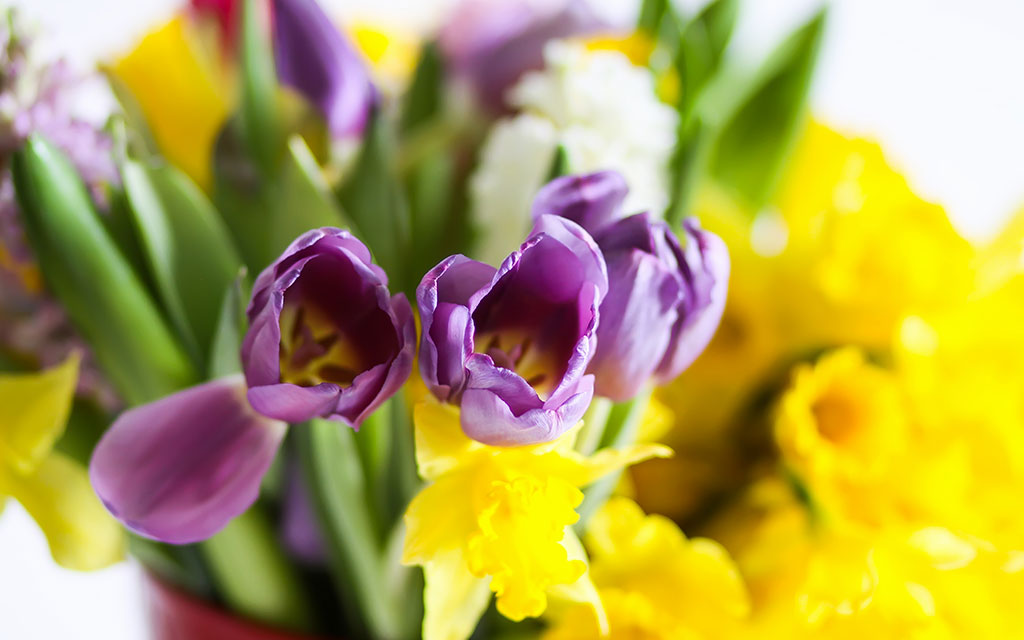
Tulips, daffodils, and hyacinths rank among the most dependable spring choices, and they should be planted in fall so their roots can establish before winter freeze sets in. These bulbs typically bloom from March through April depending on your climate zone and the specific variety you select, with early types opening in late winter and late types extending color into May.
Daffodils and snowdrops often bloom as early as February in milder regions, sending up their cheerful flowers even when snow still covers the ground in colder areas. These early bloomers signal the end of winter and give gardeners their first taste of the growing season, and they naturalize easily over time to create larger cluster displays that require minimal maintenance once established.
Popular Cut Flowers for Spring Weddings: Peony, Ranunculus, Anemone
Peonies remain a top pick for bridal bouquets because of their lush, layered petal structure and sweet fragrance that fills a room without being overwhelming. Ranunculus and anemone add delicate texture and long, sturdy stems that work well in both hand-tied bouquets and formal floral arrangements, and their range of colors from soft pastels to deep burgundy gives designers plenty of creative options.
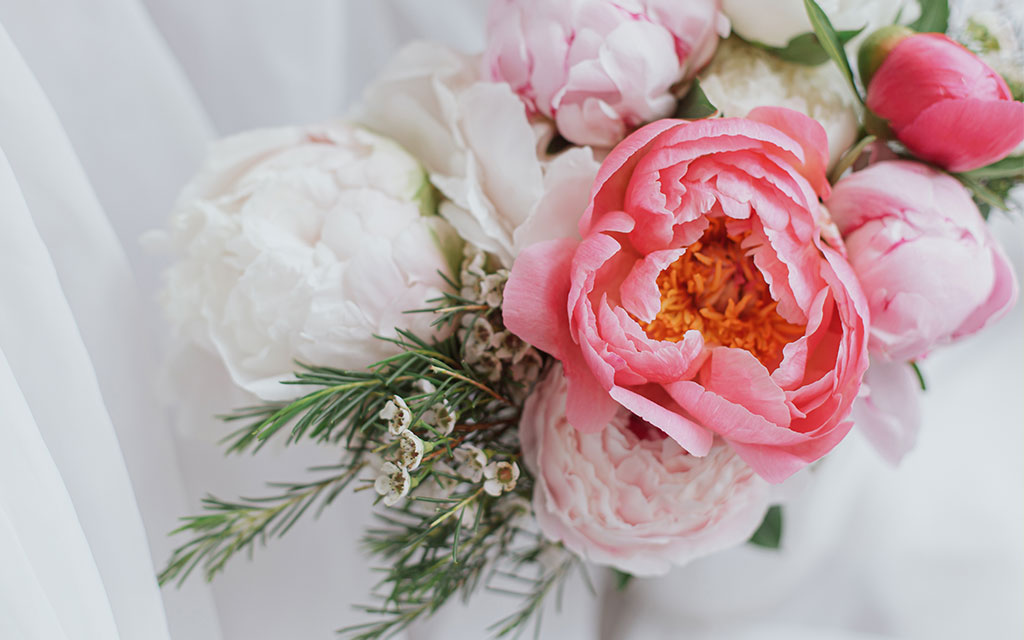
Florists need to understand that peonies bloom primarily in late spring and early summer, usually from late May through early July depending on variety and location, which means they have a relatively short window for spring weddings held in March or April. If clients request peonies outside this period, you’ll need to source greenhouse-forced blooms or imported stems from southern hemisphere growers, which typically cost significantly more than in-season field-grown flowers.
Fragrant and Early Bloomers: Lilac, Hyacinth, Honeysuckle
Lilacs and hyacinths fill the spring air with intense fragrance that many people associate with the month of spring and warmer weather returning after a long winter. Honeysuckle vines add climbing structure for trellises, arbors, and fences while producing tubular flowers that attract hummingbirds and release their sweet fragrance in the evening hours.
Together these plants create a multi-sensory garden experience that combines visual beauty with memorable scent, and they work especially well when planted near patios, walkways, and bedroom windows where their perfume can be fully appreciated. Many gardeners specifically choose fragrant spring varieties to maximize enjoyment during the brief window when temperatures are comfortable enough to keep windows open all day.
Planting Tips: Bulb Timing, Soil Prep, and Frost Protection
Plant bulbs at the correct time for your hardiness zone, which generally means six to eight weeks before the ground freezes so roots can develop properly before winter dormancy begins. Mix finished compost or aged manure into your planting beds to provide nutrients and improve soil structure, and set bulbs at the recommended depth for each type since planting too shallow or too deep can prevent proper flowering.
Use frost blankets or move container plants to protected locations when unexpected late-season cold threatens tender new growth, and remove covers promptly once temperatures rise to prevent overheating and fungal issues. With proper timing and basic soil preparation, spring bulbs and perennials will return reliably year after year with minimal intervention required.
Flower | Bloom Window | Best Use | Planting Notes |
Tulip | March to April | Borders, cut bouquets, mass plantings | Plant in fall; deadhead after bloom to store energy for next year |
Daffodil | February to April | Mass plantings, naturalizing, early color | Deer resistant; leave foliage until yellow for energy storage |
Hyacinth | March to April | Scented beds, containers, forcing indoors | Fragrant; plant with spacing for airflow to prevent disease |
Peony | Late May to July | Bridal bouquets, focal shrubs, high-value cuts | Short cut-flower window; stake heavy blooms to prevent stem breakage |
Ranunculus | Spring | Cut flowers, cottage garden beds | Plant tubers in cool, well-drained soil with good sun exposure |
Anemone | Late winter to spring | Delicate bouquets, groundcover, early color | Some varieties available year-round from greenhouse growers |
Lilac | Mid to late spring | Hedges, scented borders, nostalgic landscapes | Prune immediately after bloom to preserve next year’s flower buds |
Honeysuckle | Early spring to summer | Climbing scent, wildlife attraction, screens | Train on trellis or fence; cut back aggressively to control spread |
Summer Seasonal Flowers and Vibrant Blooms
Summer brings heat-loving plants that thrive in long days and warm soil temperatures, filling borders and containers with bold colors and dramatic forms that define the peak growing season. Gardeners discover a vast palette of summer seasonal flowers ranging from towering sunflowers that reach eight feet or more to low-growing annuals that carpet beds with continuous colorful blooms from June throughout the summer into September.
Careful variety selection combined with routine deadheading keeps beds productive and full of life, since removing spent flowers encourages plants to produce new blooms rather than setting seed and shutting down for the season. This simple maintenance task can extend flowering periods by weeks or even months, giving you more stems for cutting and better visual impact in garden displays.
Sun-Loving Favorites: Sunflower, Zinnia, Dahlia
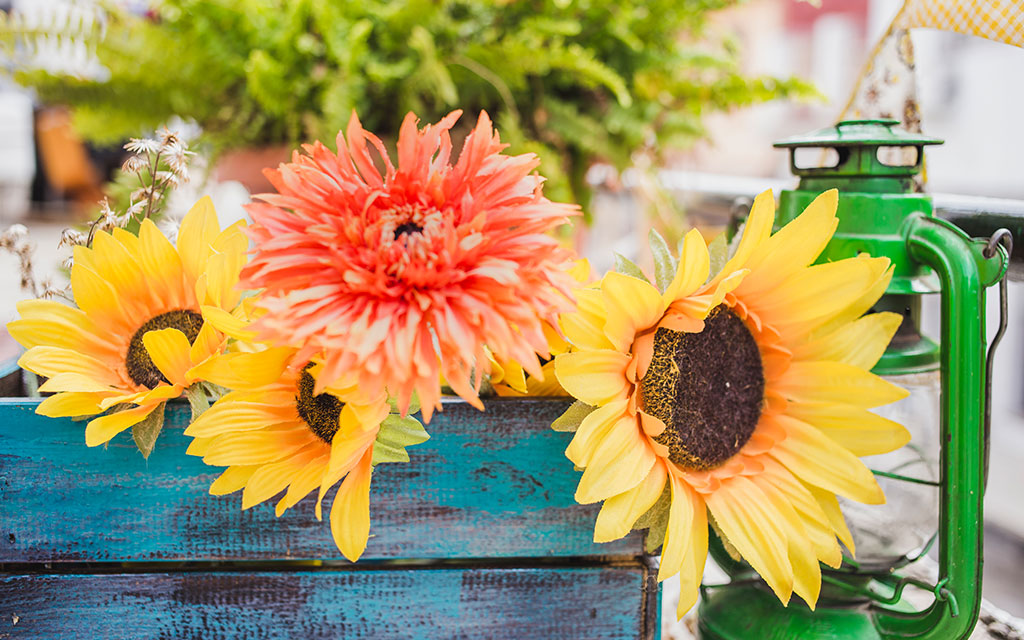
Sunflowers, zinnias, and dahlias all demand full sun and warm soil to reach their potential, and they reward gardeners with prolific blooms that work beautifully in both garden beds and cut flower arrangements. Sunflowers make dramatic statement pieces for rustic centerpieces and attract beneficial pollinators including bees and butterflies that help other plants in your garden produce fruit and seed.
Zinnias respond to regular cutting by producing more flowers rather than fewer, which makes them ideal for anyone who wants a steady supply of stems for casual summer arrangements and seasonal bouquets. Dahlias offer extraordinary form variation and color range for professional floral work, and they serve as excellent focal flowers in bridal bouquets where their dinner-plate-sized blooms create maximum visual impact with minimal stem count.
Long-Blooming Perennials and Shrubs: Hydrangea, Echinacea, Gardenia
Hydrangeas provide mass and texture with their large mophead or conical panicle forms that hold color throughout the summer and into early autumn, and they work especially well in arrangements where you need volume without using dozens of individual stems. Echinacea (coneflower) draws butterflies and other pollinators while offering sturdy stems that last well in the vase, and its spiky centers add interesting texture to mixed arrangements.
Gardenias contribute glossy evergreen foliage and intensely fragrant white flowers that release their perfume most strongly in evening hours, making them perfect for planting near patios, decks, and outdoor seating areas where guests can enjoy their scent. These woody shrubs form the permanent backbone of summer gardens and help maintain visual continuity between the different flowers that come and go through the season.
Herbs and Vines That Add Fragrance and Continuity: Lavender, Mandevilla, Sweet Peas
Lavender offers versatile use in both fresh flowers arrangements and dried bouquets while tolerating summer heat better than many other fragrant options, provided it receives excellent drainage and isn’t overwatered. Mandevilla vines begin blooming in early summer and can carry color continuously until first frost arrives in fall, which gives them one of the longest bloom periods of any ornamental vine.
Sweet peas bring old-fashioned charm and heady perfume to morning bouquets, and they perform best when grown on vertical supports such as trellises, tuteurs, or bamboo poles that keep vines off the ground. Together these choices blend aroma with extended bloom times to create a layered garden experience that engages multiple senses rather than just visual beauty.
Cut Flower Ideas and Arranging Tips for Summer Bouquets
Use sunflowers as focal stems in rustic mason jar centerpieces for casual gatherings, or choose dahlias as the statement flower in more formal mixed arrangements where their perfect symmetry and saturated colors command attention. Add sprigs of lavender for scent and fine texture that softens bolder blooms, and include echinacea or zinnia stems to fill space while providing long vase life that keeps arrangements looking fresh for a week or more.
Harvest stems during cool morning or evening hours when plants are fully hydrated and temperatures won’t cause immediate wilting, and recut stems at a sharp angle under running water to prevent air bubbles from blocking water uptake. Remove lower foliage that would sit below the water line since submerged leaves decay quickly and create bacteria that shortens vase life, and change water every two to three days to maintain clarity and prevent bacterial buildup that clogs stems.
Plant | Best Use | Bloom Time | Care Notes |
Sunflower | Focal stems, rustic centerpieces | Mid summer to early fall | Full sun required; stake tall varieties; deadhead spent blooms promptly |
Zinnia | Mixed beds, continuous cuts | Late spring through fall | Full sun; regular cutting stimulates production; fertile, well-drained soil |
Dahlia | Feature blooms, bridal work | May to October | Support tall types; lift tubers in cold zones; deadhead religiously |
Hydrangea | Mass planting, textured bouquets | Summer into fall | Moist soil; afternoon shade in hot climates; prune type-specifically |
Echinacea | Pollinator gardens, long stems | Summer to early fall | Tolerates poor soil; full sun; minimal water once established |
Gardenia | Fragrant focal shrub, patio scent | Early to mid summer | Acidic, well-drained soil; consistent moisture; protect from harsh afternoon sun |
Lavender | Fragrance, dried bouquets | Late spring to summer | Full sun essential; excellent drainage critical; prune after flowering |
Mandevilla | Vining color, containers | Early summer to frost | Provide support; regular feeding; shelter from cold and frost |
Sweet Peas | Scented cuts, trellis screens | Early to mid summer | Keep roots cool; provide vertical support; pick frequently |
Autumn Flowers That Keep the Garden Colorful Into Fall
As summer heat fades and nights grow longer, gardens transition from hot-season annuals to plants that thrive in cooler temperatures and shorter days, creating an entirely different flowers palette dominated by rich golds, deep purples, rusty oranges, and warm burgundies. Home gardeners can extend their growing season significantly by selecting flowers that peak from September through November, taking advantage of the mild autumn weather before hard frost ends the growing year.
A strategic mix of hardy perennials and cold-tolerant annuals keeps beds interesting as daylight diminishes and morning dew turns to frost, and many fall flowers actually produce their best color when temperatures drop since cool nights intensify pigment development in petals and foliage. This natural progression from summer’s bright primary colors to autumn’s muted earth tones creates a more sophisticated palette that works beautifully for October weddings, Thanksgiving centerpieces, and harvest celebrations.
Late-Season Stars: Chrysanthemum, Aster, Sedum, Dahlias
Chrysanthemums and asters become the backbone of autumn gardens when summer annuals begin to decline, offering dense flower heads in shades of pink, purple, purple and white, gold, and bronze that reflect the changing season. Sedum varieties including ‘Autumn Joy’ produce sturdy, architectural flower heads that hold their form well into winter even after petals fade, providing structure and interest long after other perennials have been cut back.
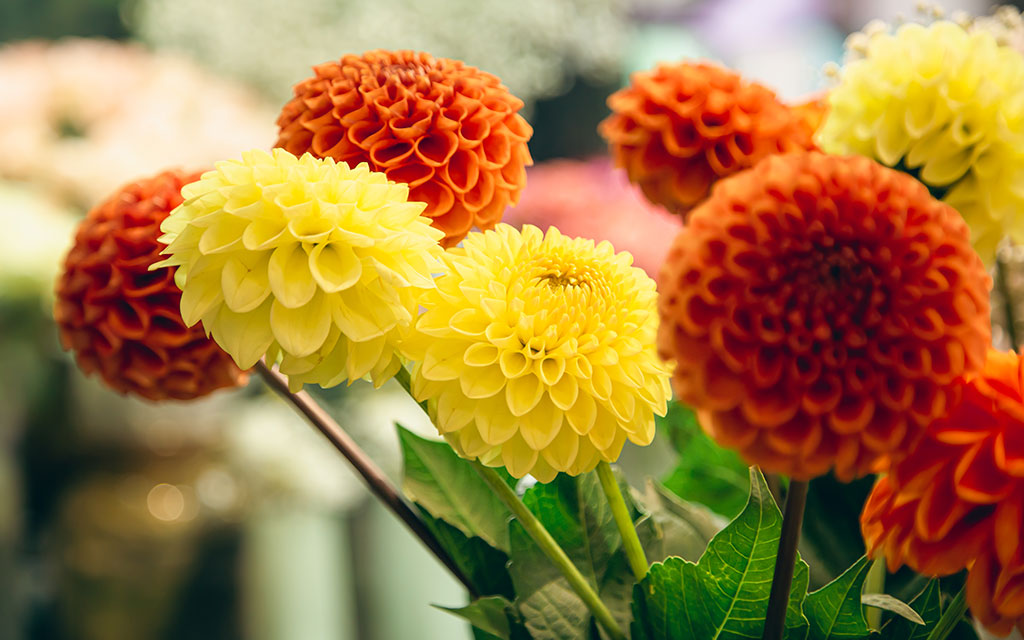
Dahlias continue their impressive show into fall with proper deadheading and frost protection, often producing their largest and most perfectly formed blooms during September and early October when cooler temperatures slow growth and allow flowers to develop more slowly. Many dahlia enthusiasts consider autumn blooms superior to summer ones because the moderate temperatures prevent heat stress that can cause petal discoloration and reduce vase life.
Warm Palettes for Fall Bouquets: Marigold, Calendula, Goldenrod
Warm-toned flowers create stunning fall bouquets that capture the essence of the harvest season, and their colors coordinate naturally with seasonal decorations including pumpkins, gourds, and colored leaves. Marigolds and calendula add vibrant flowers in orange and gold tones that practically glow in the slanted autumn light, while goldenrod contributes airy texture and vertical accent lines that break up denser forms.
These flowers pair exceptionally well with dried materials including wheat stalks, ornamental corn, and preserved grasses that add rustic charm to arrangements without competing for visual attention. The combination of fresh blooms and dried elements creates arrangements with better longevity since some components remain attractive even after living flowers fade.
Extending Bloom with Pruning, Deadheading, and Frost Prep
Regular deadheading throughout late summer and early autumn encourages plants to produce additional flower buds rather than directing energy toward seed production, and this simple maintenance task can extend your bloom window by several weeks. Light pruning after the first major flush of flowers can stimulate branching and secondary bloom on varieties including asters and chrysanthemums that respond well to pinching.
Mulch application and row covers provide frost protection that can save tender annuals from the first light freeze, buying you extra time before a killing frost ends the season completely. Many gardeners use old bed sheets, frost blankets, or agricultural row cover to protect prize plants on nights when temperatures dip just below freezing, then remove covers the next morning to allow sun exposure and air circulation.
Using Ornamental Grasses and Berry Shrubs for Late-Season Interest
Ornamental grasses add graceful movement and interesting seed heads that catch morning dew and first snow, providing visual interest that extends well beyond the fall flowers season into winter dormancy. Berry-producing shrubs including beautyberry, winterberry holly, and firethorn offer persistent color and valuable food sources for migrating birds that stop in your garden during autumn months.
Together these structural plants create a framework that keeps gardens attractive even after perennials die back and annuals succumb to frost, and they require minimal maintenance since most can be left standing through winter to provide shelter for beneficial insects and nesting material for early-spring birds. This approach to late-season garden design reduces fall cleanup work while extending visual interest through the dormant season.
Winter and Year-Round Blooms: Flowers Available Even in Cold Months
Even winter offers opportunities for garden color and fresh cut stems, though gardeners in cold climates need to adjust expectations and focus on plants specifically adapted to bloom during short days and cold temperatures. Cold-hardy pansies and violas continue flowering in sheltered microclimates and containers where they receive protection from harsh winds and temperature extremes, often blooming through light frosts and even light snow when temperatures moderate temporarily.
Paperwhites and amaryllis bulbs provide reliable winter flowering when forced indoors in pots or decorative containers, and they require no cold period to bloom unlike most spring bulbs that need winter chilling. These tender bulbs make excellent gifts and holiday decorations since they bloom predictably within four to six weeks of planting, filling winter homes with color and light fragrance during the darkest months.
Hellebores (Lenten rose) begin opening their nodding flowers in late January through March depending on climate, pushing up through frozen ground and even snow to deliver color when almost nothing else blooms outdoors. Snowdrops and the earliest daffodils follow close behind in February, providing the first signals that spring approaches and the growing season will soon restart its annual cycle. February also brings peak demand for roses, tulips, and other romantic blooms since florists prepare large volumes of the best flowers for Valentine’s Day including red roses, pink tulips, white lilies, and mixed arrangements that remain popular for this mid-winter celebration.
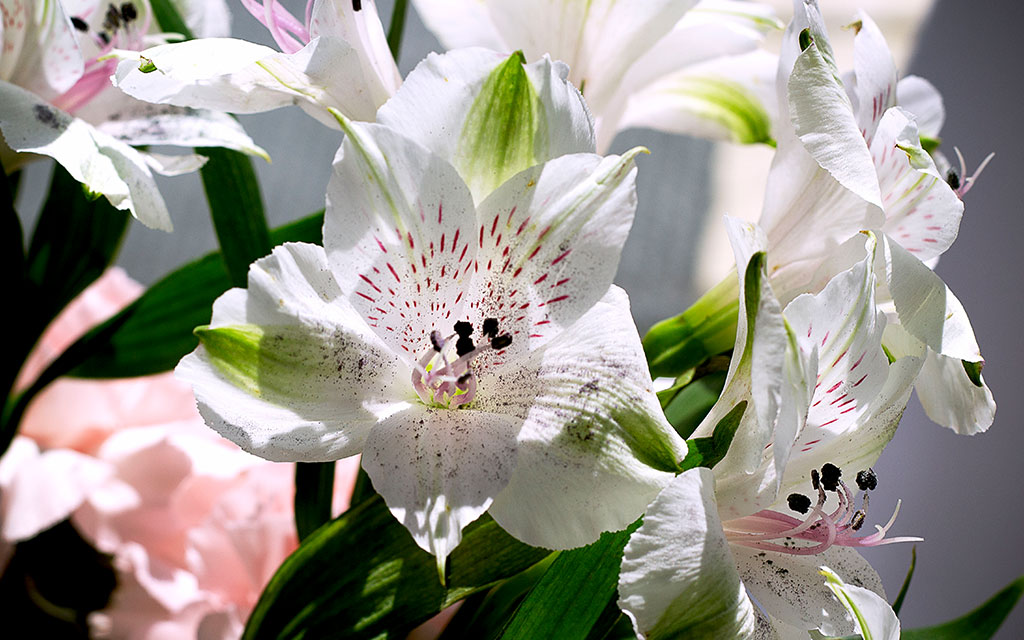
For holiday decorations december to february, camellia shrubs and poinsettias deliver traditional red, pink and white, and cream tones that coordinate with Christmas and New Year celebrations. Nurseries and commercial growers maintain extensive greenhouse operations to ensure florists have steady supplies of fresh flowers throughout winter months when outdoor production stops completely in most regions, and they carefully time crops including amaryllis flowers, cyclamen, and forced bulbs to peak for major holidays.
Year-round flowers remain available to consumers thanks to international supply chains and controlled greenhouse environments that override natural seasons. Roses, gerbera daisies, calla lilies, and orchids appear in wholesale markets every week regardless of calendar date because growers in warm climates or climate-controlled facilities produce them continuously on staggered schedules. However, some highly seasonal varieties including peonies and lilacs, garden tulips, and field-grown dahlias maintain tight availability windows, so always verify current stock with suppliers when planning events during off-peak periods.
To keep gardens interesting during seasonal winter months, combine hardy evergreen shrubs with early-blooming bulbs that can tolerate cold soil temperatures and short photoperiods. Strategic container placement and temporary frost protection extend possibilities even in harsh climates, and careful advance planning ensures you have something blooming or about to bloom during every season of the year rather than experiencing months of complete dormancy.
Season | Peak Flowers | Color Palette | Special Considerations |
Spring (March to May) | Tulips, daffodils, peonies, ranunculus, lilacs | Soft pastels, pink, purple and white, butter yellow | March marks the beginning of bulb season; spring will continue to bloom into early summer with proper succession planting |
Summer (June to August) | Sunflowers, dahlias, zinnias, hydrangeas, roses | Bold primaries, hot pink, deep purples, bright yellow | August flowers perform best with consistent water; bloom throughout the summer with deadheading |
Autumn (September to November) | Chrysanthemums, asters, dahlias, sedum, marigolds | Rich golds, burgundy, rust, bronze | September marks a transitional period; many bloom in september through bloom in november if protected from frost |
Winter (December to February) | Amaryllis, paperwhites, hellebores, pansies, poinsettias | Traditional reds, winter whites, deep greens | Limited outdoor options; bloom in february signals spring’s approach; seasonal winter relies heavily on greenhouse production |
Why Choose Quinn Florist for Your Seasonal Flower Needs
Quinn Florist brings since 2010 floral expertise to every arrangement, specializing in sourcing the finest seasonal flowers for delivery throughout Queens, Manhattan, Brooklyn, and Nassau County. We understand which varieties peak during each season of the year and work directly with local growers and premium wholesalers to ensure your bouquets feature the freshest possible stems.